Experiential marketing / Product launch event

How we launched the first switch card in the MENA region by turning a banking event into a night no one wanted to miss

Emirates NBD Egypt and Mastercard needed to introduce a card that had no existing category in the market. We built a launch event in Cairo around controlled access and a live Amr Diab performance, then let the guest list do the media work for us.

Client
Emirates NBD Egypt (via O!Solutions)
Role
Senior PR Account Manager
Period
2019
Scope
Event strategy, celebrity coordination, on-ground execution, earned media

Emirates NBD Egypt was about to launch the Mastercard World Switch Card, the first card of its kind in the MENA region. A single card with a physical button that lets the holder switch between debit and credit accounts on the spot. Not a credit card. Not a debit card. Something new that needed its own category in people's heads.

The problem was that Egypt's premium banking segment already had plenty of cards offering lounge access and concierge services. A standard product announcement would get buried within a week. The card needed a launch that would actually register with the people who mattered: high net worth clients, major account holders, and the public figures who set the tone for how Cairo's upper segment pays attention.
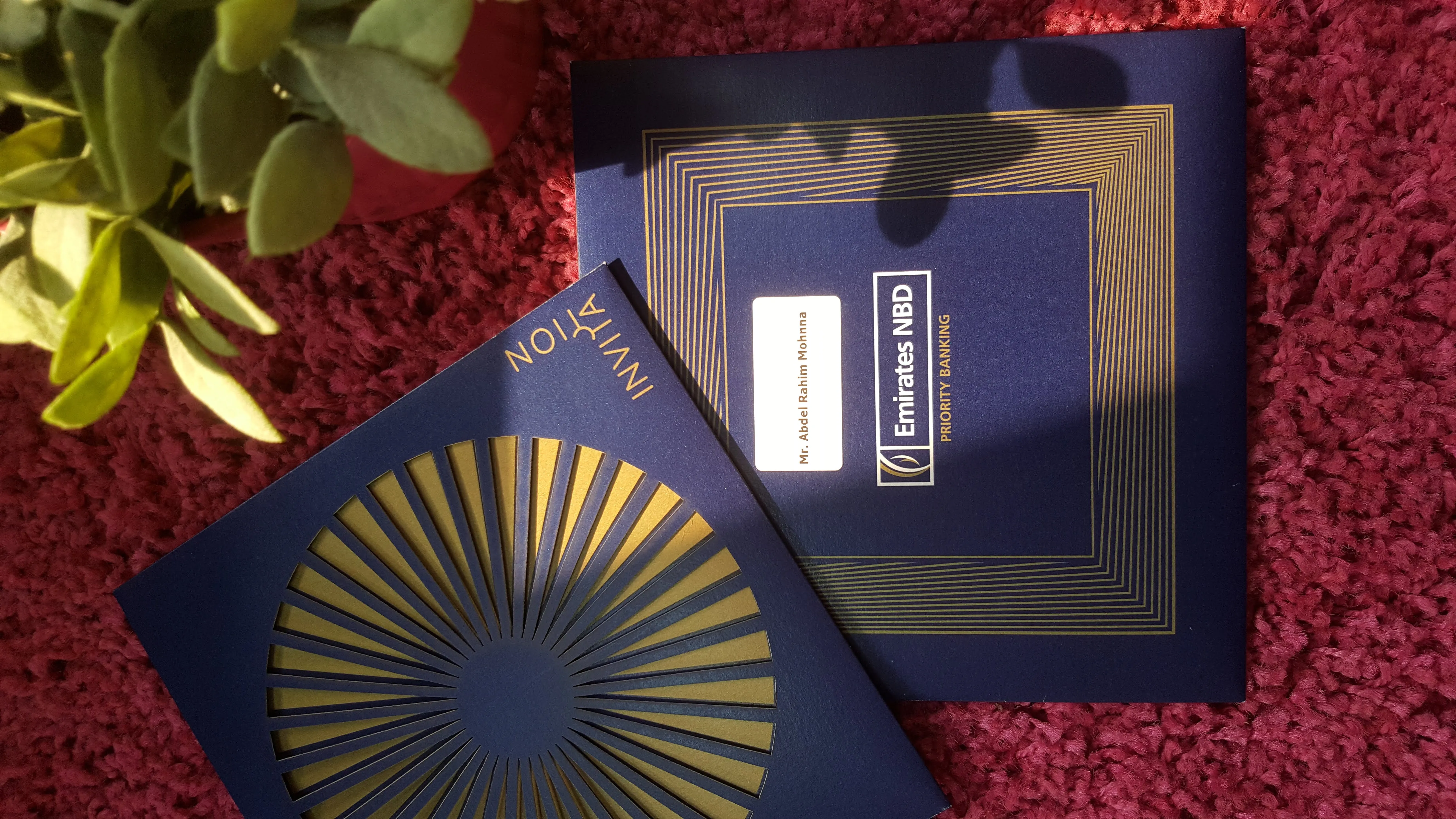
Premium card launch invitation design

Building the hype

The pre-event sequence ran on a deliberate information deficit. Each communication gave away less than the audience wanted, and that gap is what kept them paying attention. The guest list was kept deliberately selective. In a market where corporate events typically cast the widest possible net, this one did the opposite.

Within days of the first save-the-dates going out, people were calling me directly, asking who else was on the list and how to secure a spot. That reaction was exactly what we wanted. When the people you are targeting start coming to you before the event even happens, you know the positioning is landing.

1
Cryptic save-the-dates
Sent to a shortlist of media personalities and public figures. No product name. No bank logo. Just a date and a tone. The ambiguity was the point. People talked about it because they had nothing concrete to share, only the fact that something was coming.
2
Progressive hints
Numbered clues released over the following weeks. Each one revealed a single detail: the venue character, the caliber of entertainment, the dress code. Each clue raised more questions than it answered.
3
Personalized invitations
Final invitations addressed by name, printed on heavyweight stock in Emirates NBD's navy and gold. By this point, recipients had been following the teaser sequence for weeks. The invitation did not need to sell them on attending. It confirmed they had made the cut.

The event itself

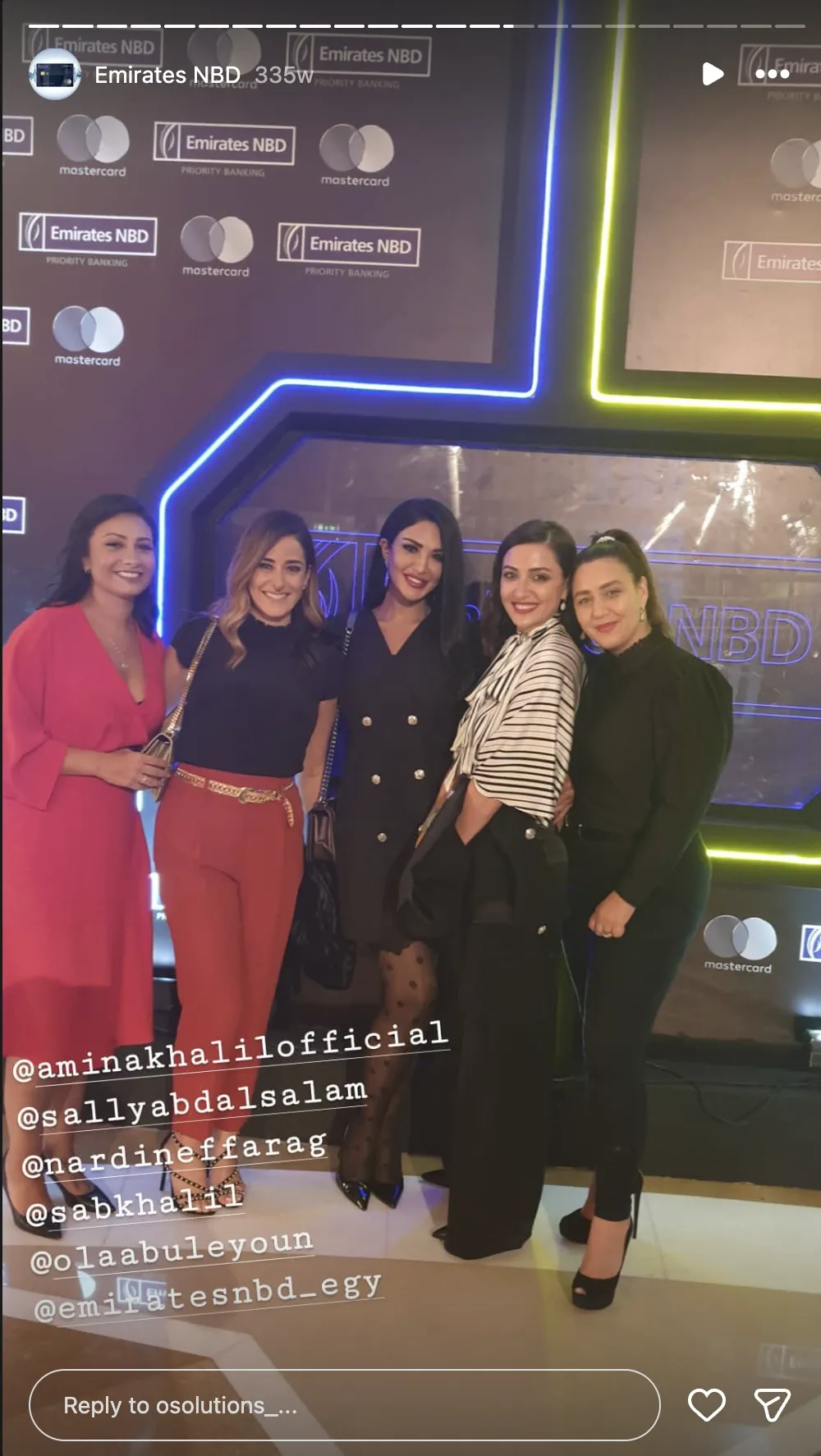
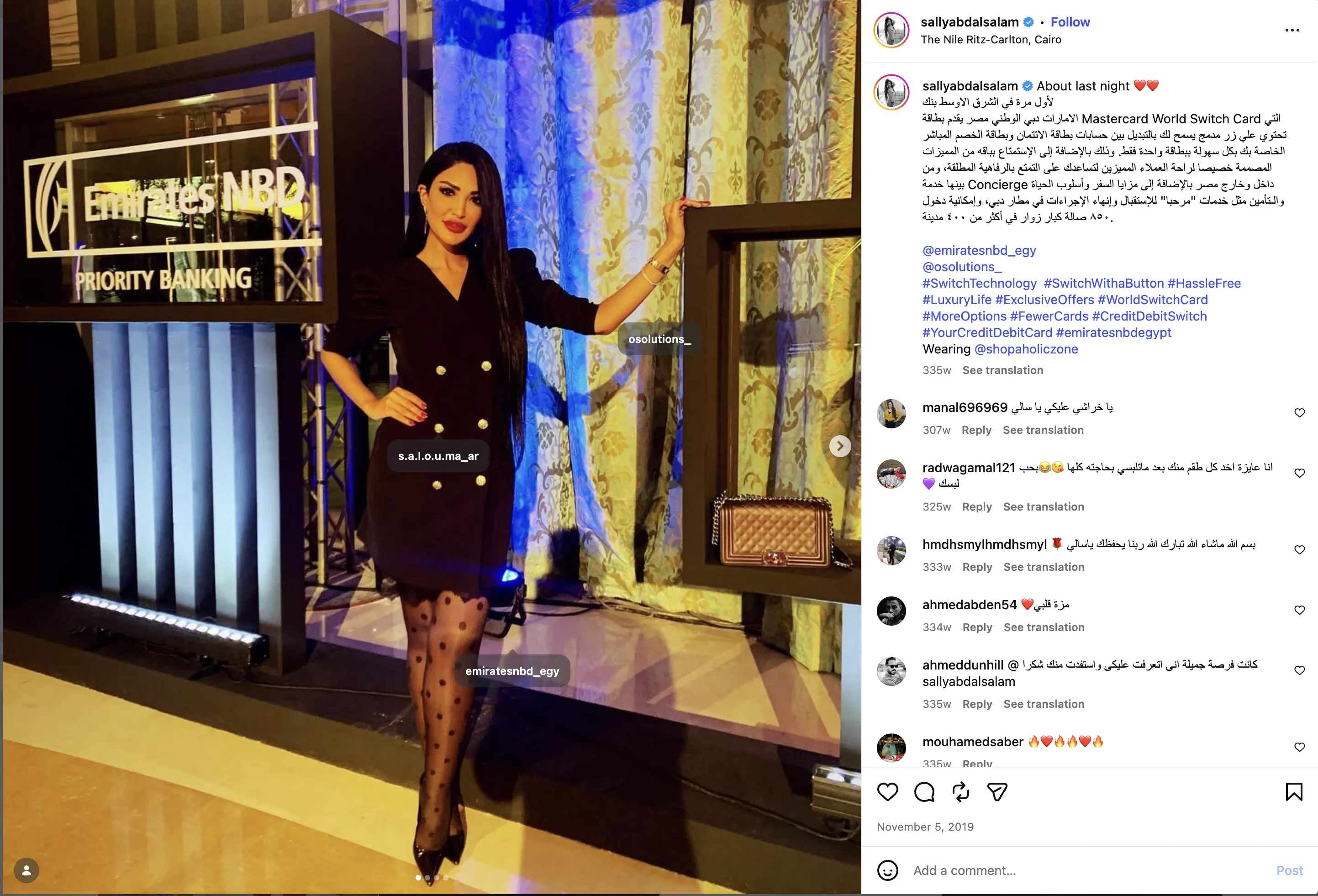
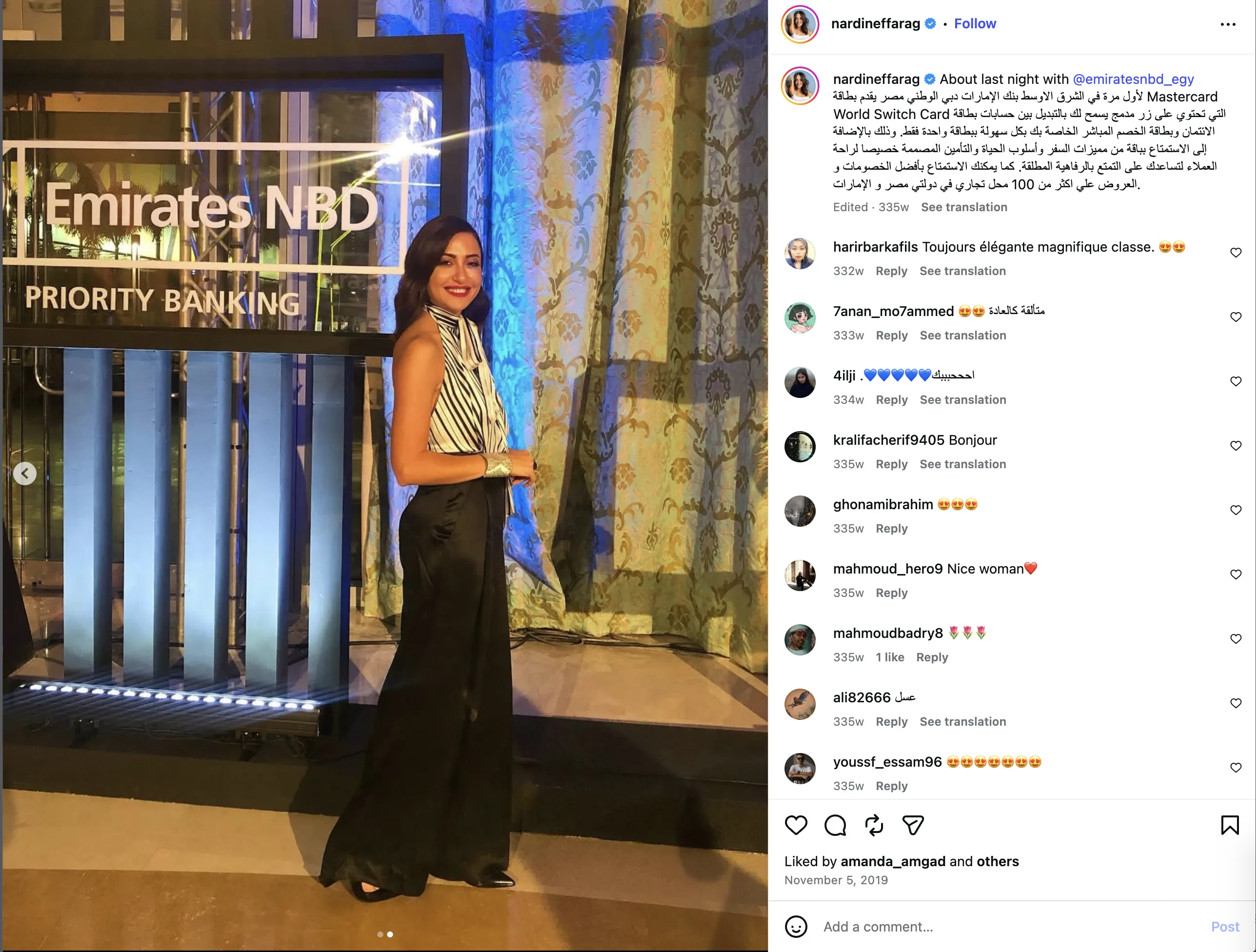
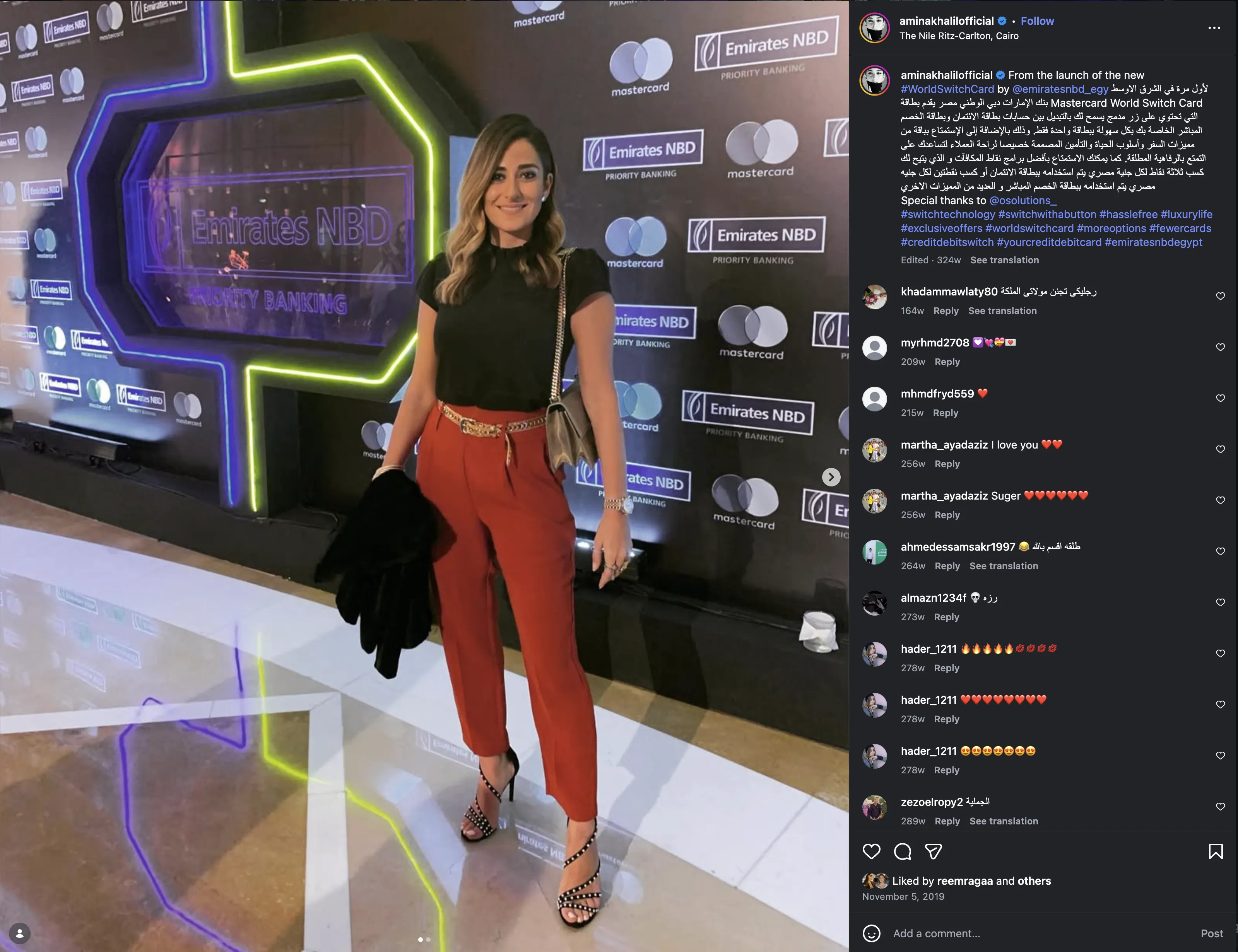
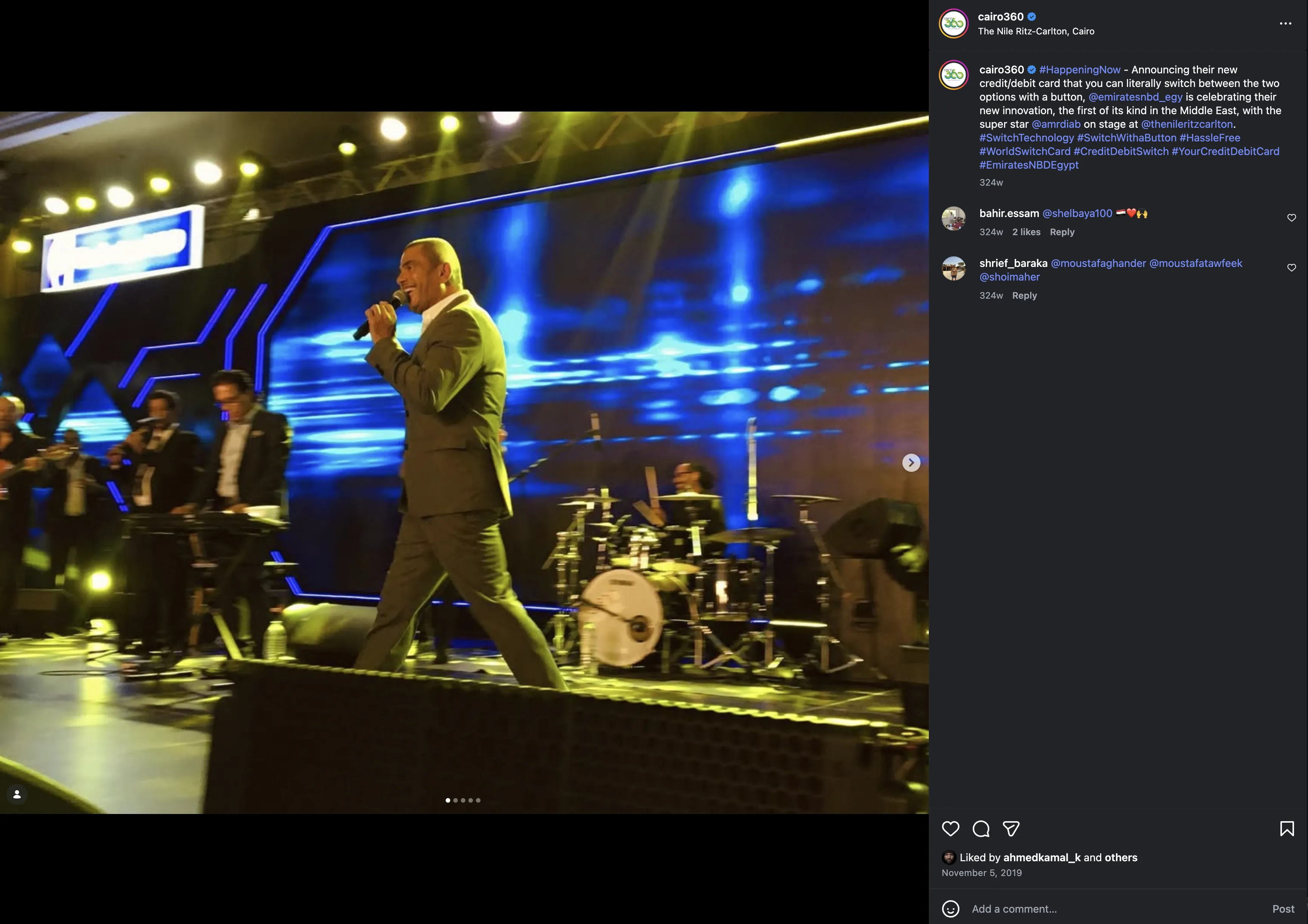
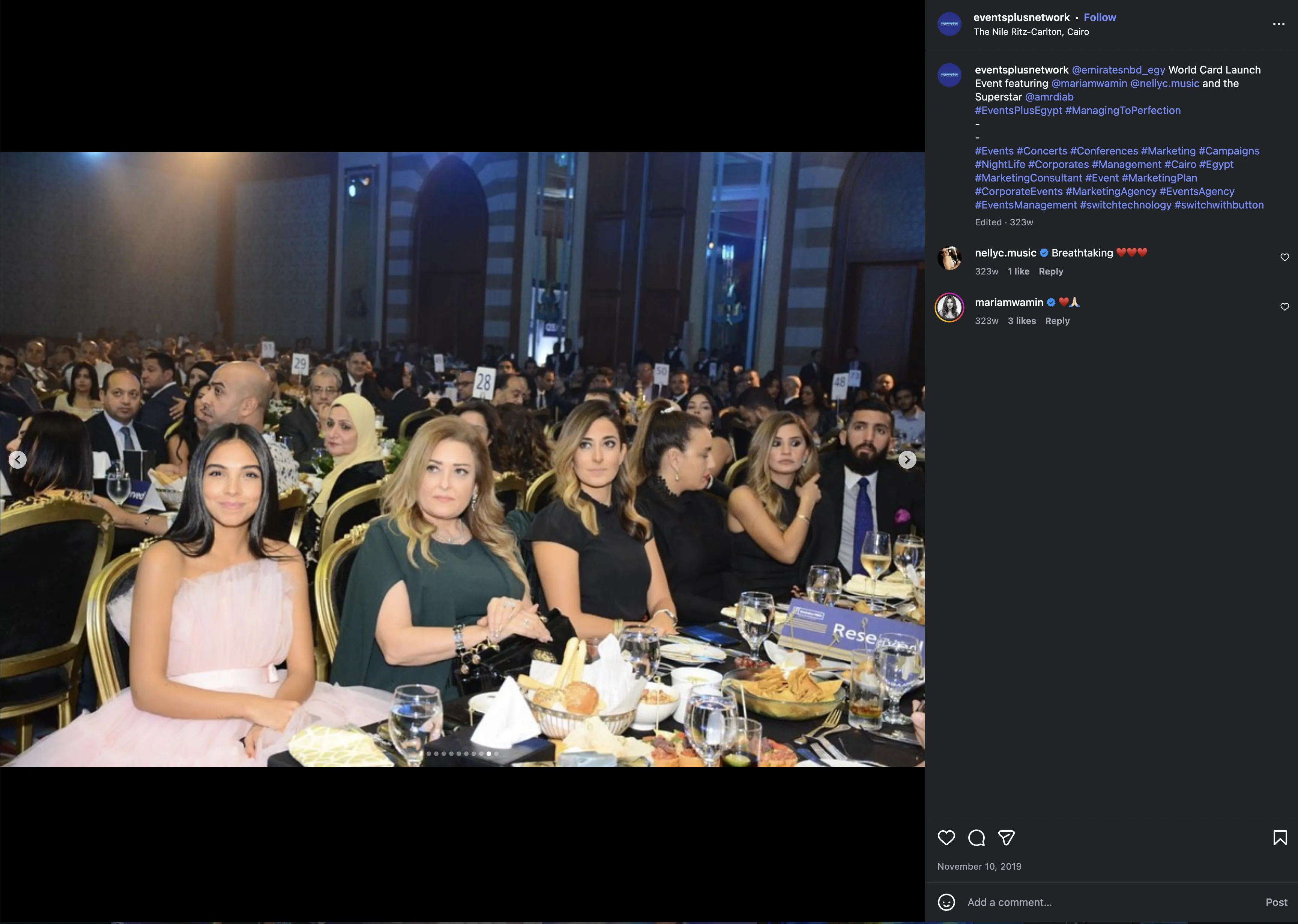
On November 19, 2019, Emirates NBD Egypt and Mastercard hosted the World Switch Card launch in Cairo. The venue was staged entirely in the bank's brand palette, navy and gold, with professional lighting, formal dining setups, and a branded Emirates NBD installation positioned so that the logo would be visible from nearly every camera angle in the room. That was not decorative. It was a deliberate brand visibility decision: every photo taken that night, whether by a guest on their phone or a celebrity posting stories, would carry the Emirates NBD identity in the frame.

The evening's headline act was a live performance by Amr Diab. He was selected specifically for his regional reach. Amr Diab is not a local entertainer; he is an icon across the Arab world, and booking him sent a clear signal about the scale of ambition behind this card. For a bank operating in Egypt but backed by a UAE parent, attaching the launch to a figure with pan-regional recognition was a way of positioning the card beyond the local market from day one.

Major account holders, corporate delegates from Emirates NBD and Mastercard, and a curated group of celebrities and public figures filled the room. This was what marketing literature calls a velvet rope strategy: controlled access that makes the people inside feel they belong to something others cannot easily reach. Social identity theory explains why this works. When people are placed in an environment that signals selective membership, they begin to identify with the group and the brand attached to it. That night, being in the room was the product as much as the card itself.

The earned media architecture

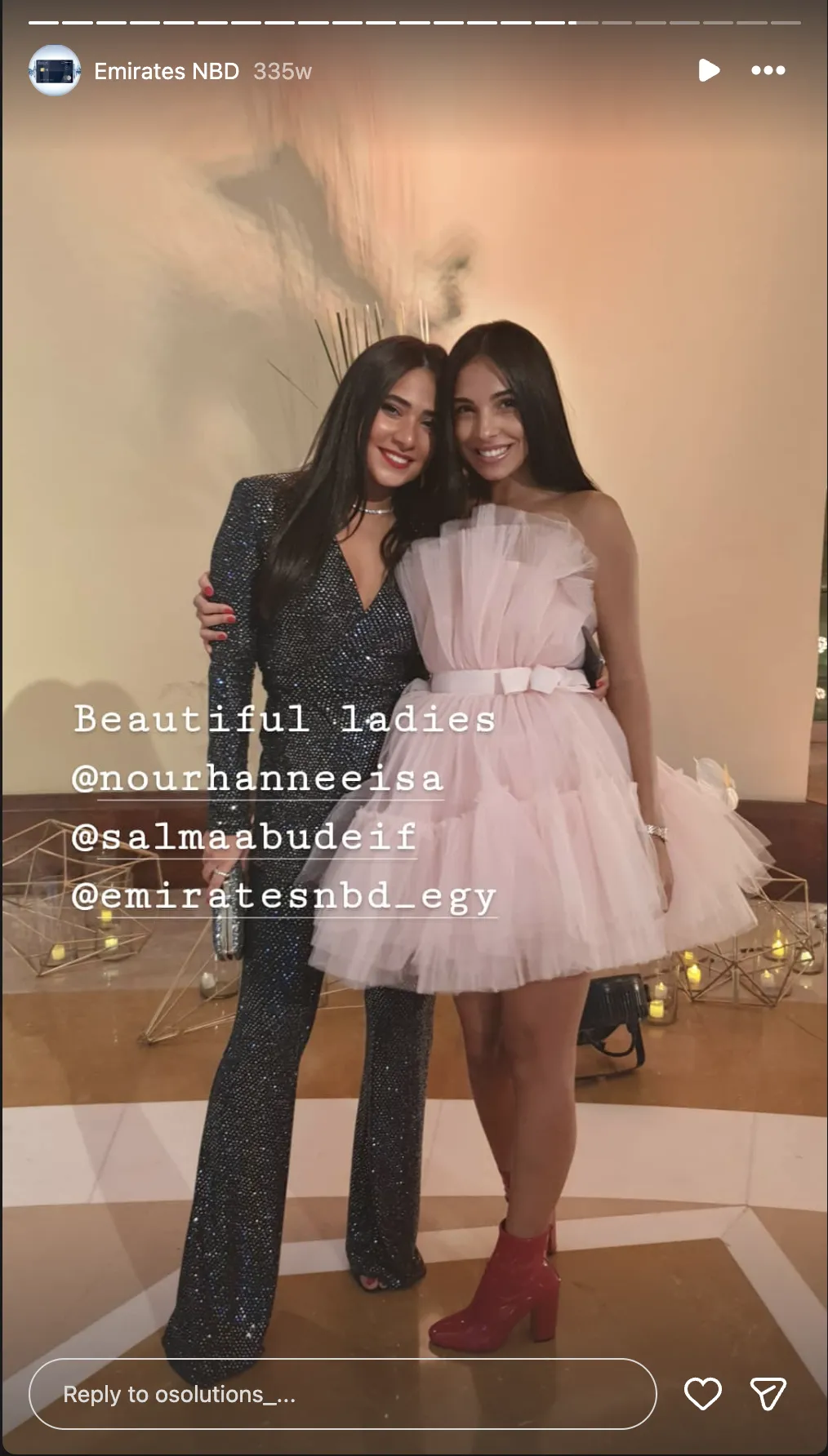
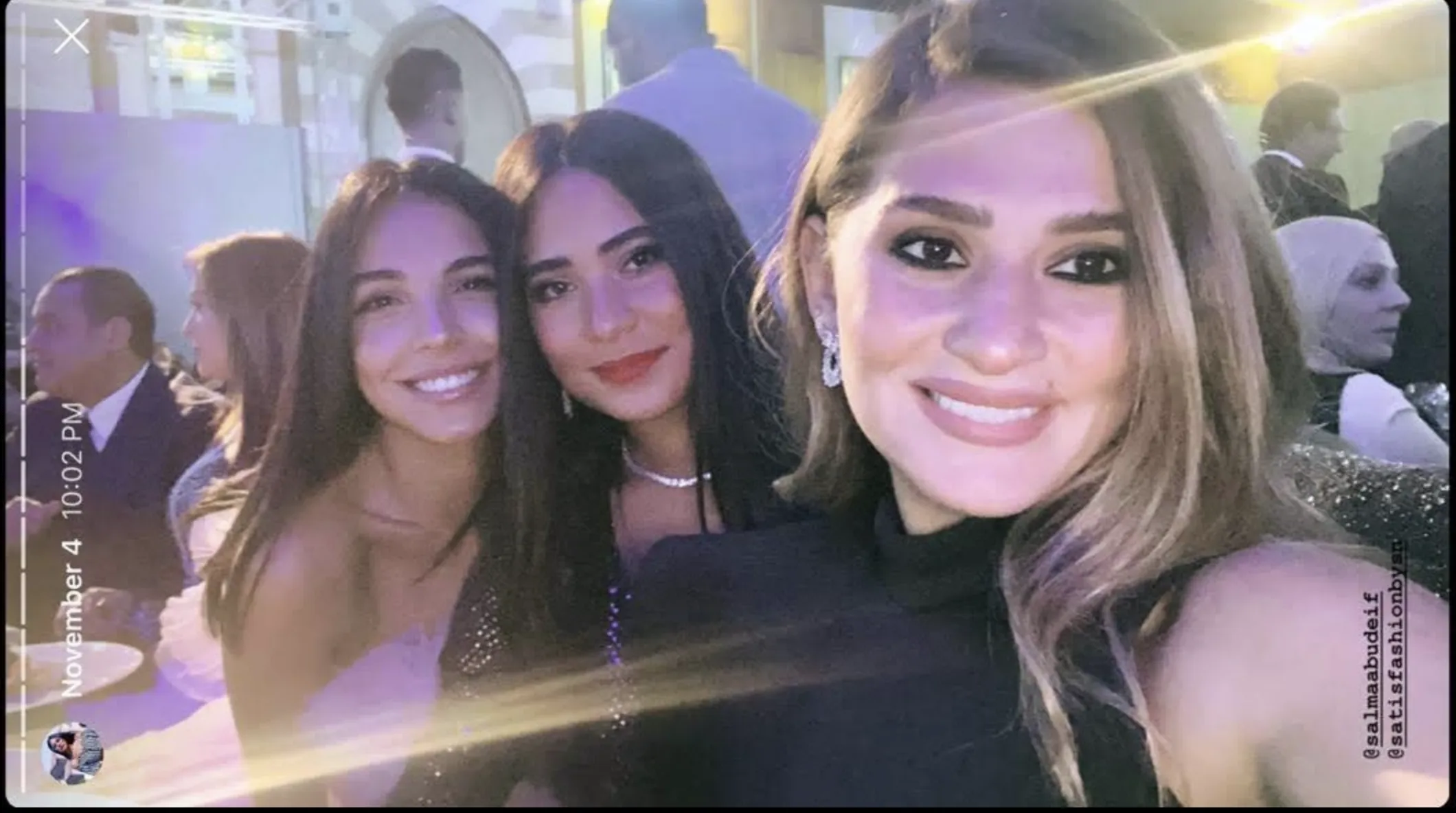
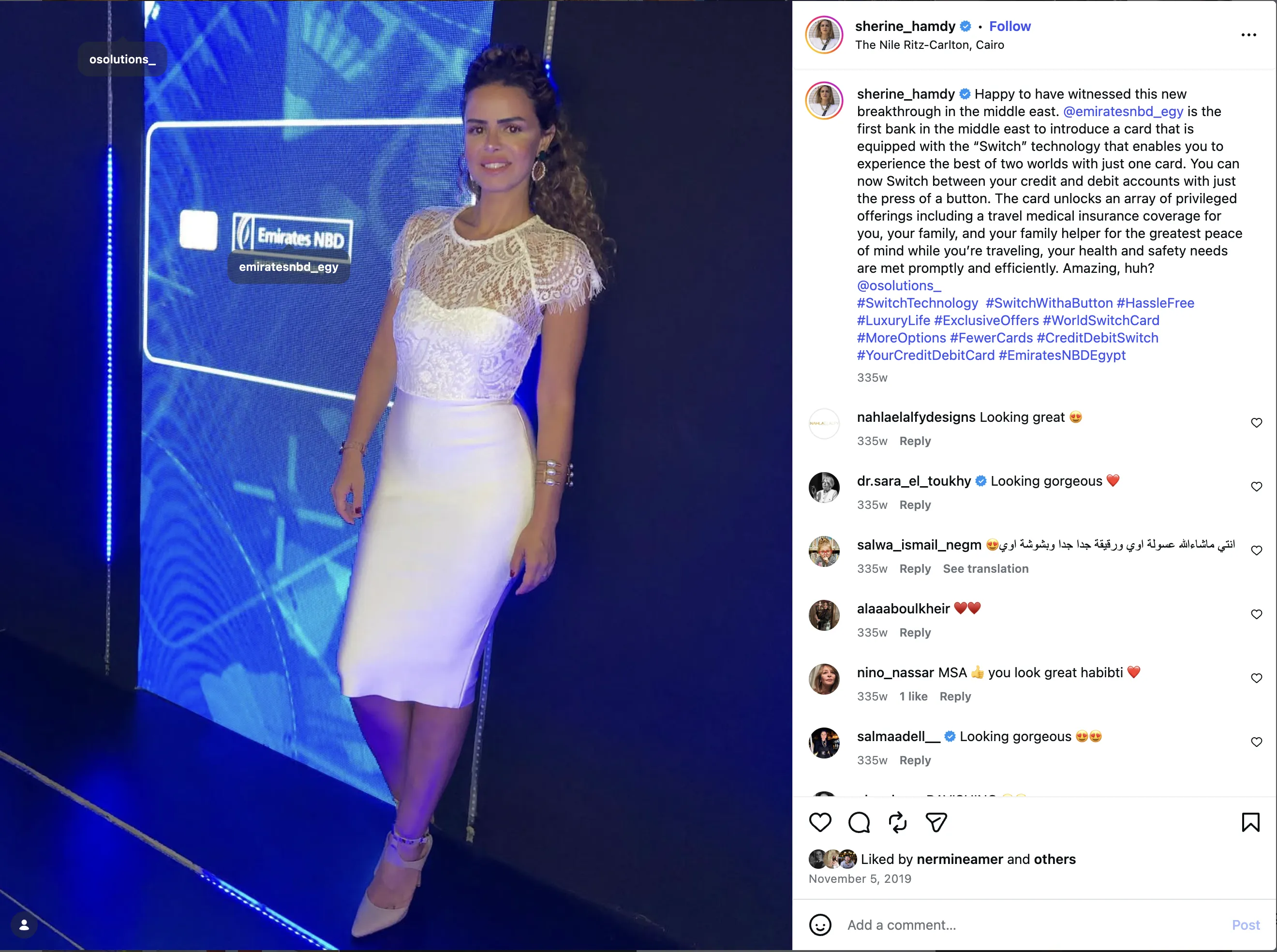
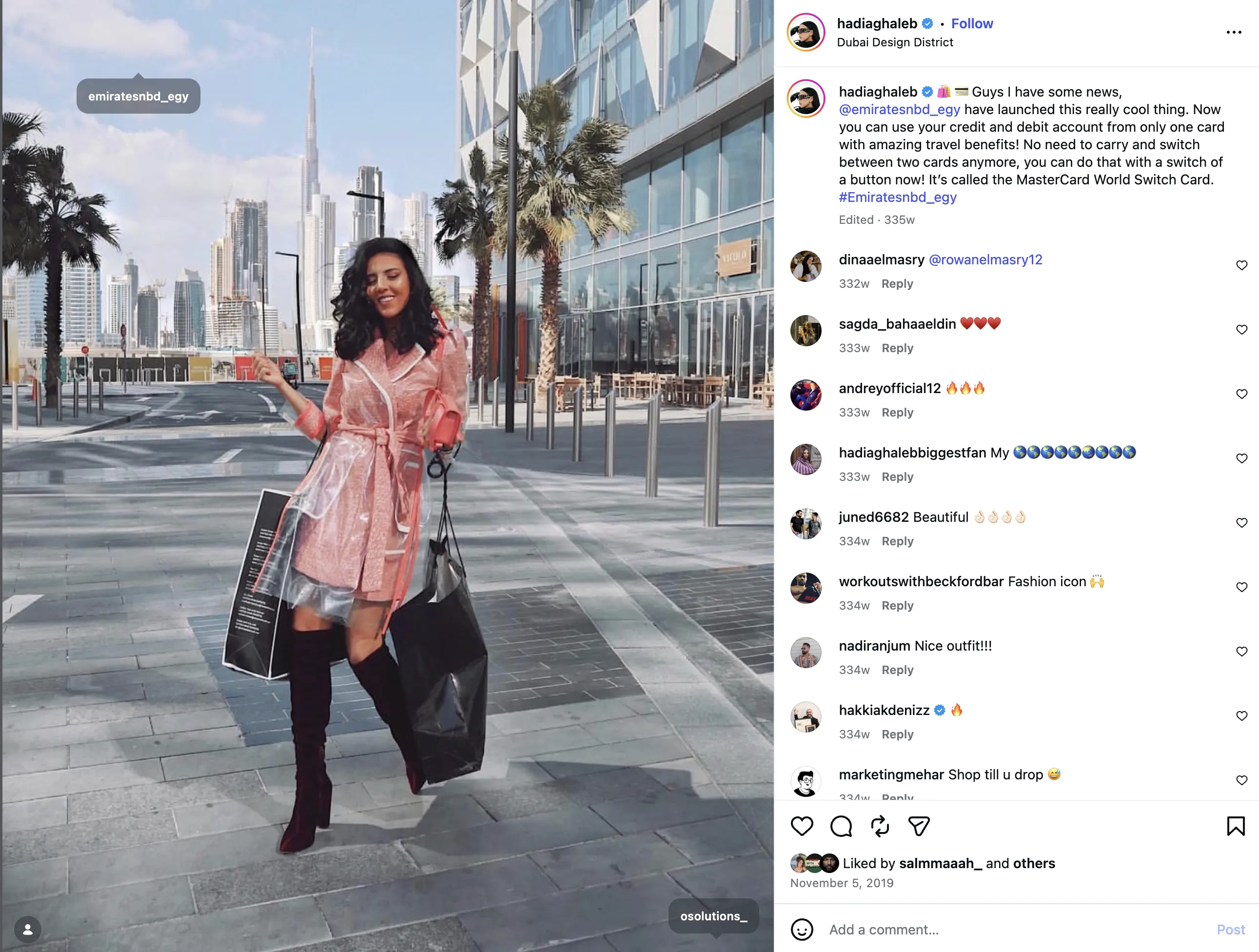
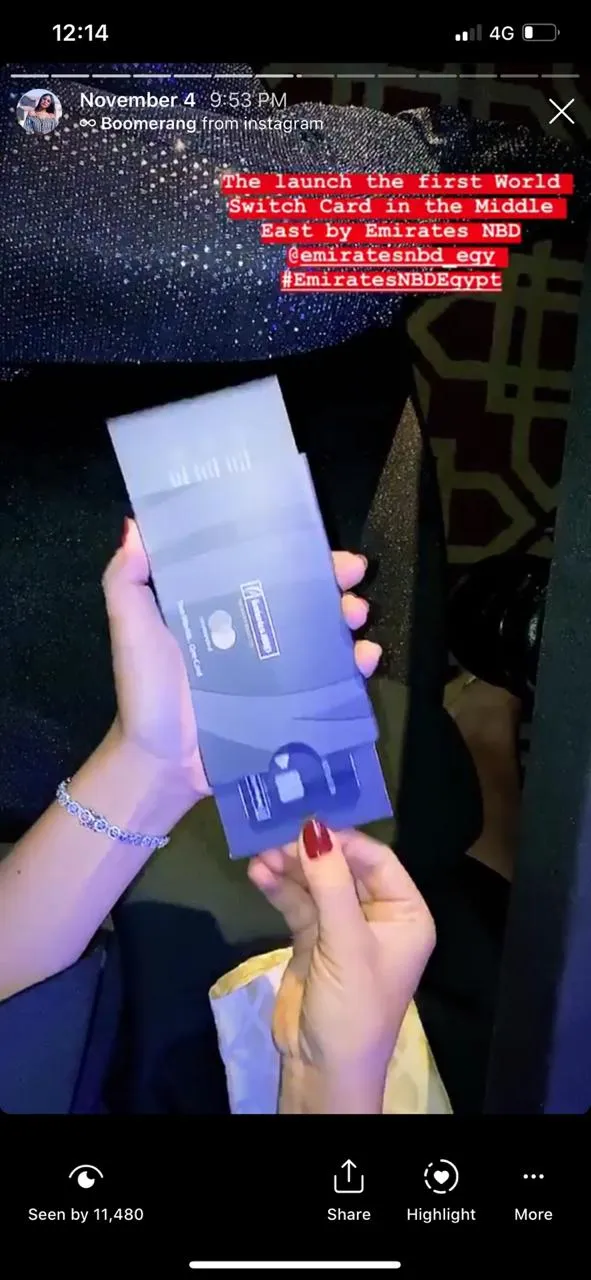
Celebrities were briefed individually with differentiated captions tailored to each person's voice and audience. The content they posted looked like their own because it was written around how they actually talk. Their posts and stories went live while the event was still happening, which created a second wave of demand among followers who were not in the room.

On the media side, pre-packaged kits were ready to go the same night: executive quotes, professional photography, and a pre-written narrative that positioned the World Switch Card as the first of its kind in MENA. We gave journalists a ready-made angle that was sharper than what they would have come up with on deadline.

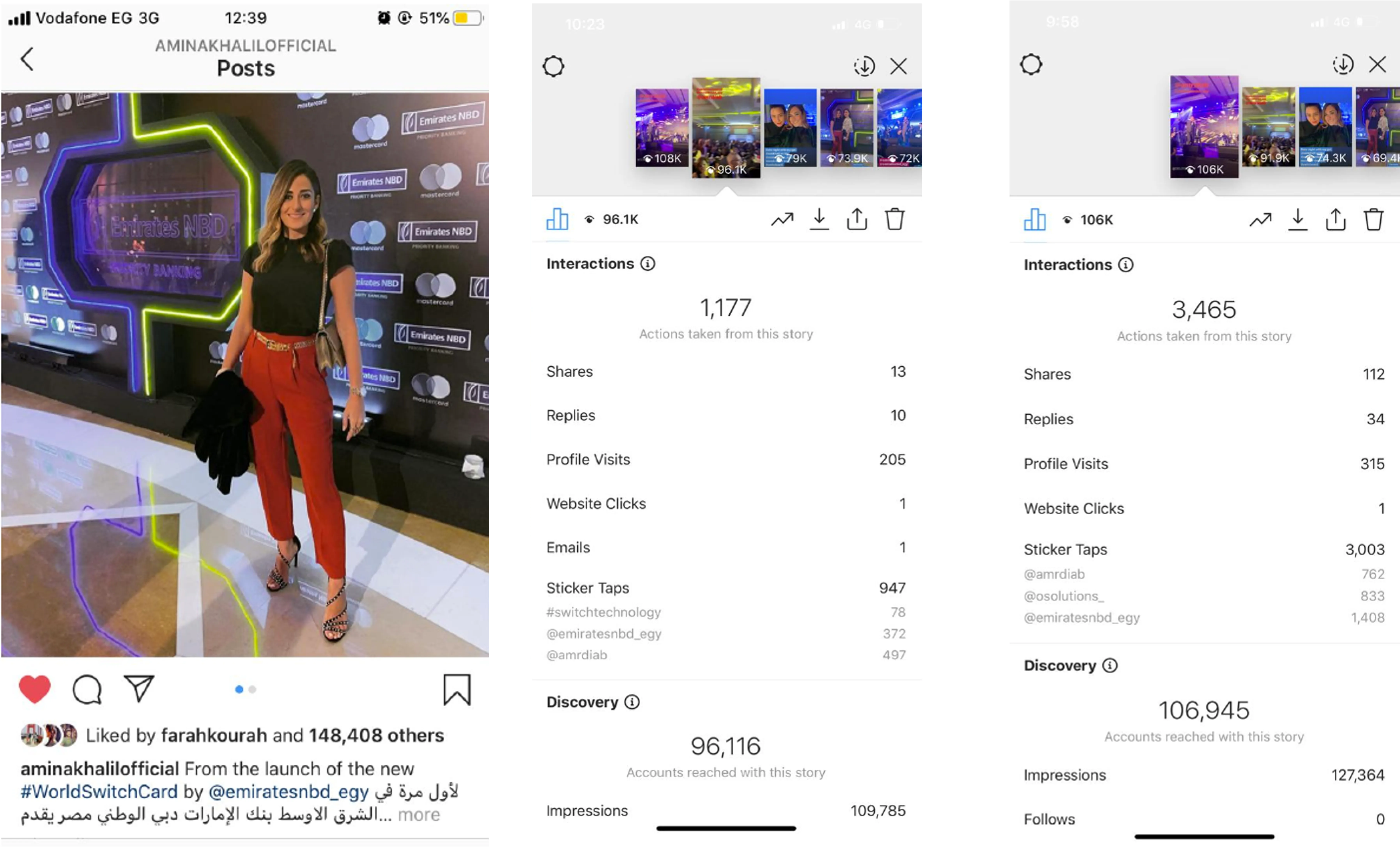
Some of the invited celebrities included Amina Khalil, Salma Abu Dief, Sally Abdelsalam, and Hadia Ghaleb, among others.
Measured impact
1.36M
Combined accounts reached across celebrity posts and stories from a single event night.
1.4M+
Total impressions generated across Instagram posts, stories, and secondary media coverage.
38,000+
Direct engagements on celebrity content: likes, comments, shares, and saves.

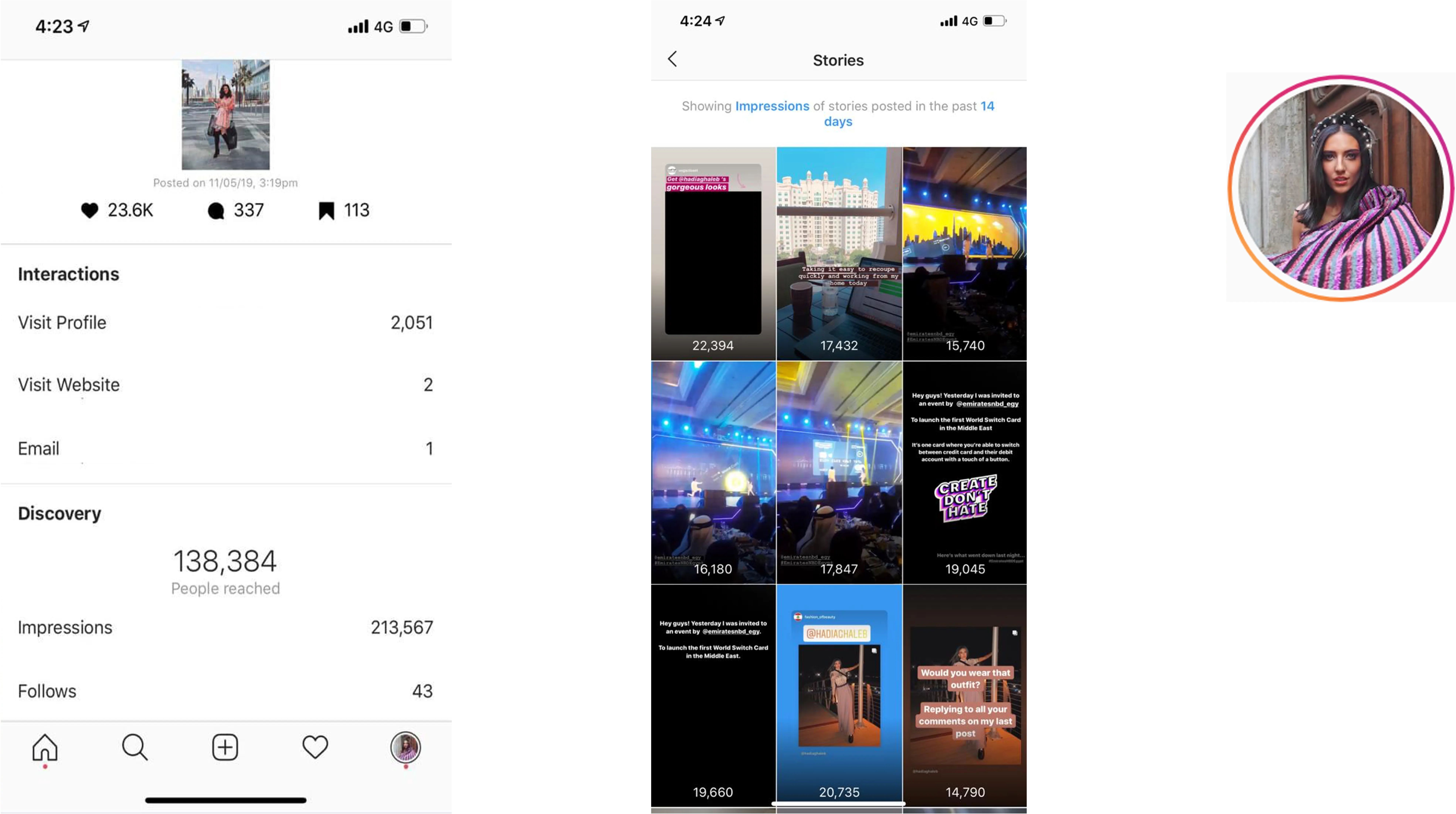
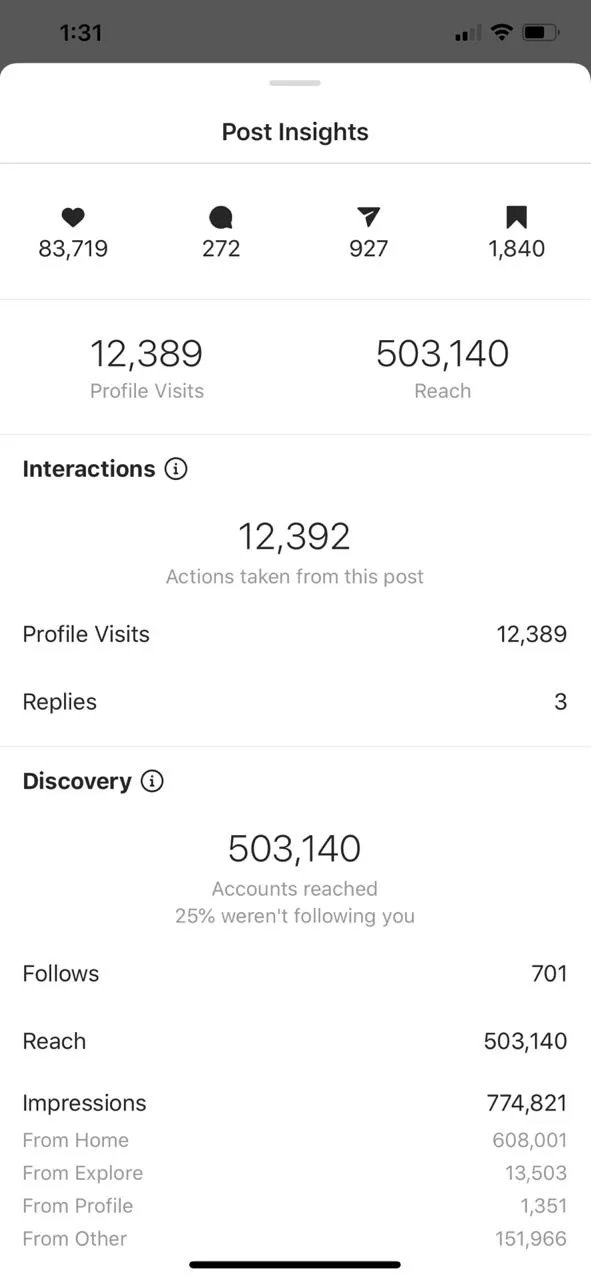
Instagram analytics from event night

Amina Khalil post — 148K+ accounts reached, 96K and 106K story discovery
138K people reached, 213K impressions, story performance breakdown
Post Insights — 83,719 likes, 503,140 reach, 774,821 impressions

What I took away

Pickton's 4Cs showed up in every phase of this project. The teaser sequence, the event staging, and the celebrity briefings were coherent because they all told the same story. They were consistent because the premium, selective tone never broke across channels. They were continuous because the communication ran uninterrupted from the first save-the-date through to the press coverage. And they were complementary because the earned media reached an audience that the guest list alone never could have touched. The combined effect of a controlled room and an uncontrolled media cascade is what turned one evening into 1.36 million reached accounts.
The moment that confirmed the strategy for me was when celebrities started calling to ask who else had been invited. They were not asking about the product or the schedule. They wanted to know who would be in the room, because that told them whether the event was worth their time. That is what a velvet rope does in practice. It turns the guest list into the value proposition. The scarcity was real because the product was genuinely premium and the audience was genuinely specific. You can spend heavily on media buying and never create that kind of pull. Or you can design an environment that people are anxious to be part of, and let the audience generate the reach for you.
Working on this launch also changed how I think about financial product marketing in general. Premium banking products are essentially commodities. Lounge access, concierge services, travel insurance: every bank offers a version. What separates one from another is not the benefit list but the way the brand is introduced. Mastercard understood this when they built the Priceless platform around experiences rather than card features. Citi understood it with Private Pass. And we applied the same principle here. The switch technology mattered, but what people remembered was the night they were introduced to it.
NEXT PROJECT
Selling herbal tea in a market where Lipton meant one thing and one thing only: black tea in a yellow box →